Imagine a packed dance floor, neon lights pulsing, people grooving in total silence—unless you’re wearing the headphones. Silent discos replace traditional speakers with wireless headphones, letting partygoers switch between multiple DJ channels at will. Whether you’re into house, rock, or hip-hop, the choice is yours.
Solving noise restrictions, catering to different music tastes, and eliminating awkward small talk, silent discos are taking over clubs, festivals, and even corporate events. One standout is Aura Silent Disco Parties in Barcelona, known for their electrifying events like the Junction Festival.
Thanks to Shine Music Rentals, who supplied them with microphones, for their Christmas Festival, their parties are even more immersive with live music by various artists.
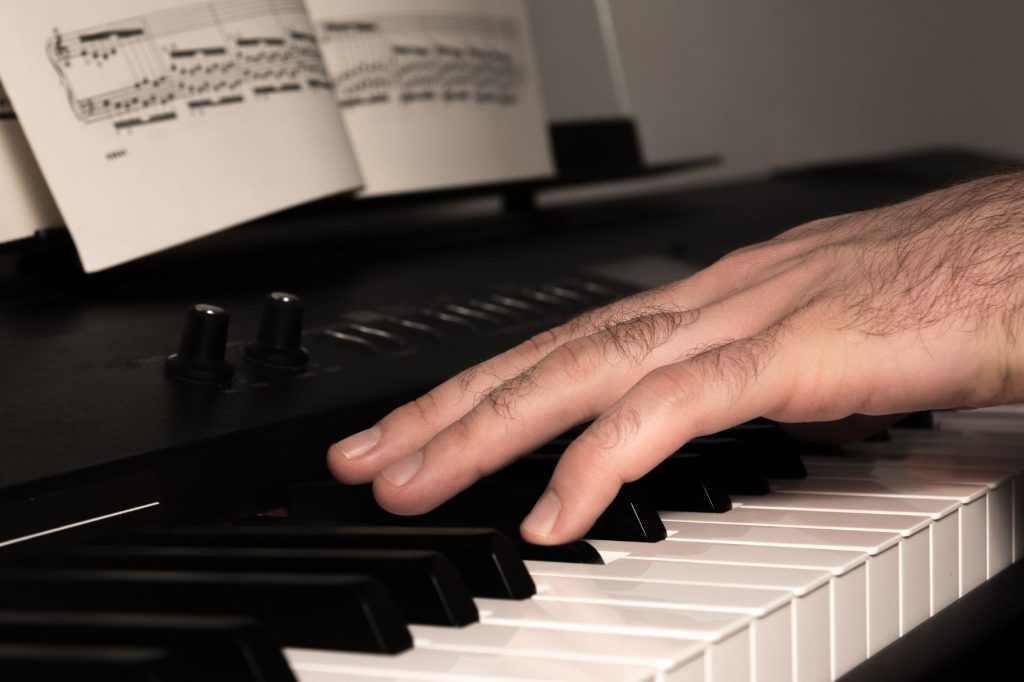
So, you’ve got piano fever. Maybe you’ve been captivated by the haunting melody of Clair de Lune, or you’re itching to master the intro to Elton John’s Tiny Dancer. Whatever your reason, you’re ready to bring the piano into your life. But here’s the big question: do you rent or buy? Spoiler alert—piano rental benefits make renting the cool, no-commitment way to get started.
Why Renting Makes Sense
Pianos aren’t exactly pocket change. Whether you’re eyeing a sleek digital model or a grand acoustic beauty, the cost of buying one outright can hit harder than a Keith Jarrett improvisation. But with affordable piano rentals, you can ease into the experience without draining your savings. Renting lets you access high-quality instruments, perfect for performances, lessons, or just late-night jam sessions, without the “What if I don’t use it enough?” guilt.
But it’s not just about the money—it’s about the freedom. When you rent, you’re not tied to one type of piano forever. Fancy trying an acousticfirst and later switching to a digital model with all the latest tech? Renting gives you that flexibility. Think of it like dating before settling down. You get to explore, experiment, and find what works for you before making any big commitments.
Piano Rentals: A Gateway for Beginners and Pros Alike
For those just stepping into the world of music, renting a piano is a game-changer. Beginners often wonder, “Will I actually stick with this?” Renting eliminates that pressure. You can try it out, see how it feels, and if you fall head over heels, many rental programs even let you put your payments toward buying the piano.
If you’re a more experienced player, renting opens up opportunities to experiment. Need a digital piano for gigging? Or maybe an upright for your apartment? Rental programs have your back. Plus, most rental services handle maintenance and tuning, so you can focus on playing without sweating the small stuff.
For travelers or those in temporary living situations—say, you’ve landed in Spain for a year and want to keep up your skills—renting a piano makes it easy to keep your music alive without the hassle of shipping or storage.
The Shine Factor
Renting a piano doesn’t just give you an instrument; it connects you to a world of possibilities. At places like Shine Music School, you’ll find expert teachers who know their way around the keys. Whether you’re into classical, jazz, or the latest pop hits, they’ll guide you from beginner lessons to polished performances. Shine’s team even offers advice on choosing the right instrument for your style, making the rental process seamless.
Pianos Are Cooler Than You Think
Before you take the plunge, here’s a little piano trivia to fuel your excitement:
The piano is basically the superhero of instruments. It can play melody and harmony at the same time—something most other instruments can’t do. It has an impressive 88 keys and 230 strings, which give it that massive, soul-stirring sound. Oh, and playing the piano? It’s been proven to boost your brainpower, improve memory, and even increase your ability to multitask.
The instrument itself has a rich history. It was invented around 1700 by Bartolomeo Cristofori, an Italian with a flair for creating magic. Its original name—gravicembalo col piano e forte—is a mouthful, but it roughly translates to “keyboard instrument that can play soft and loud.”
Your Next Step: Rent, Play, Thrive
Renting a piano isn’t just practical—it’s liberating. It’s the chance to explore your sound, discover your preferences, and start playing without the weight of a major investment. Whether you’re jamming at home, preparing for a concert, or diving into lessons with one of Shine’s exceptional teachers, renting keeps your options open.
So, what are you waiting for? The piano is calling, and your musical journey is just a rental away.
Discover the joy of playing a classic instrument at your next event or performance.
When it comes to adding something special to your music event or practice space, an acoustic piano is unbeatable. The rich, vibrant sound, the tactile feel of the keys, and the timeless beauty of the instrument create an experience that digital pianos can’t quite match. For anyone in Spain looking to elevate their music—whether for a wedding, concert, or a personal recital—renting an acoustic piano is the perfect choice.
Imagine walking into a sunlit room, the afternoon glow warming the polished wood of a grand piano in the corner. Its lid is propped open, inviting you to press down on its keys, to feel the magic of each note as it fills the room. Unlike a digital model, where sound is created electronically, here each note is born the moment a hammer strikes a string, and that slight vibration carries through every fiber of the piano and straight to your fingertips. The experience is immediate, powerful—an intimate connection between you and the music that only an acoustic piano can offer.
Acoustic pianos are not just instruments; they’re treasures. Every note is alive with richness and texture, every chord layered in a way that’s both vibrant and profound. And the resonance—oh, that resonance! It lingers in the air, creating a warmth that fills any space, from a grand concert hall to a cozy living room. Renting one of these traditional masterpieces allows musicians and enthusiasts alike to savor this unmatched sound quality without the long-term commitment of buying.
When choosing an acoustic piano to rent, quality and reputation matter. Each brand has a distinct character, each a story of its own:
– Yamaha:Known for its versatility and crystal-clear sound, a Yamaha piano balances clarity with depth. Rent a Yamaha grand, and you’ll have an instrument capable of both sweeping classical melodies and the catchy hooks of modern jazz.
– Kawai:Warm and soulful, Kawai pianos are beloved for their tone, especially for intimate performances. Imagine playing one of these in a quiet, dimly lit venue, the notes melting into the space around you, each sound soft yet profound.
– Roth & Junius: Accessible yet rich in quality, Roth & Junius pianos are perfect for students, event spaces, or anyone looking to enjoy a quality piano without stretching the budget. Their timeless designs blend easily with both modern and traditional spaces, proving that beauty can also be within reach.
Why Rent in Spain?
In the vibrant heart of Spain, where music spills from cafés and echoing plazas, the rhythm of life often calls for a piano. Imagine you’re planning a dazzling concert in Madrid, or perhaps you’re orchestrating a romantic wedding in the enchanting streets of Barcelona. The vision is clear: you want a beautiful piano to elevate the occasion, but the thought of long-term ownership feels daunting. Enter the world of piano rentals—where the perfect instrument is just a call away, and the only commitment you make is to the music.
Picture yourself hosting an elegant private recital along the sun-drenched Costa del Sol, with guests eagerly awaiting the first notes. Renting an acoustic piano not only simplifies your life but also infuses your space with high-quality sound, free from the burdens of storage, tuning, and upkeep. You can focus on what truly matters: the joy of performance and the magic of live music.
Spain’s rich tapestry of live events means there’s no shortage of opportunities to showcase your talent. With rental options at your fingertips, you can try out different models, each offering a unique character. Need a grand piano with a bold presence for a concert hall? Or perhaps a sleek upright for a cozy gathering with friends?
Renting offers the flexibility to choose the perfect piano for each occasion, ensuring your music resonates just as you envision and changing the way music and instruments are accessible to the public! In the bustling heart of Barcelona, where the vibrancy of street life meets the allure of artistic expression, Shine Music Rental has emerged, redefining the experience of renting acoustic pianos. This rental shop in the heart of Gracia is a haven for musicians and music enthusiasts alike, offering a curated selection of instruments that embody the spirit of creativity and passion that the city is known for.
You’ve bitten the bullet, you’ve committed, and now your digital piano is staring at you, challenging you to get up and PLAY! And while we highly recommend getting a real life teacher to show you the ropes, you can familiarise yourself with your piano by getting the basics covered! Tap into a new world of music, and let that digital piano blow your socks off!
Digital pianos offer versatility, convenience, and a range of features that can enhance your musical experience. To maximise your investment and enjoyment, consider the following tips on how to get the most out of your digital piano.
1. Understand the Features
Explore Sound Options: Most digital pianos come with a variety of built-in sounds beyond just piano. Take time to experiment with different voices, such as organs, strings, and synths. Playing around with these sounds can inspire creativity and expand your musical repertoire. Utilize Built-in Effects: Many digital pianos offer effects like reverb, chorus, and equalisation. These can enhance your sound and make practice sessions more enjoyable. Try adjusting these effects to see how they change your playing experience.
2. Learn the Controls
Familiarise yourself with the piano’s interface and controls. Understanding how to access features like layering sounds, splitting the keyboard, or recording can unlock new ways to create music. Refer to the user manual for specific instructions on advanced functions.
3. Take Advantage of Learning Tools
If you’re a beginner, many digital pianos come with built-in learning tools and apps. These may include:
Metronomes to help keep time.
Lesson modes that guide you through songs step by step.
Recording features that allow you to track your progress.
Using these tools can make practice sessions more structured and effective.
4. Connect to Technology
Use MIDI and Audio Connections: Digital pianos often come with MIDI capabilities. Connecting your piano to a computer or tablet allows you to use music software for composition, recording, or practicing with virtual instruments. Explore software options like GarageBand, Logic Pro, or various MIDI learning apps.
Explore Online Resources: Take advantage of online tutorials, courses, and sheet music. Websites and platforms like YouTube and music education sites offer countless resources for all skill levels.
5. Customize Your Setup
Choose the Right Accessories: Investing in quality accessories can greatly enhance your experience:
A sturdy stand and bench provide comfort during long practice sessions.
A sustain pedal can improve expressiveness and performance quality.
Headphones allow for private practice without disturbing others, helping you focus on your playing.
Optimize Your Space:Set up your digital piano in a comfortable and inspiring environment. Good lighting, a comfortable chair, and a quiet space can make practice more enjoyable.
6. Practice Regularly
Consistency is key to improving your skills. Create a practice schedule that suits your lifestyle, and stick to it. Incorporate a mix of scales, exercises, and pieces you enjoy to keep sessions engaging.
7. Collaborate and Share
Playing with others can enhance your skills and enjoyment. Consider joining a local music group, participating in online forums, or sharing your music on social media platforms. Collaboration can lead to new insights and inspire creativity.
8. Explore Composition and Improvisation
Use your digital piano as a tool for composition. Experiment with creating your own melodies, harmonies, and arrangements. Improvisation can also be a fun way to explore different musical ideas and develop your unique sound.
9. Keep Learning
Never stop expanding your knowledge. Whether through formal lessons, online courses, or self-study, continuous learning will help you grow as a musician. Explore different genres and styles to broaden your musical horizons.
Getting the most out of your digital piano involves understanding its features, utilizing technology, and fostering a consistent practice routine. By taking advantage of the resources available and embracing creativity, you can enhance your musical journey and truly enjoy your digital piano experience. Happy playing!
Imagine this: you’re strolling through the charming streets of Barcelona, weaving between Gaudí’s masterpieces and the lively hum of local cafés. As you pass by a narrow alley, the soft notes of a piano spill out from an open window above. You pause, enchanted by the music, and suddenly find yourself daydreaming about having your own piano to play. But here’s the twist — instead of the shiny grand piano in a showroom, you picture an older, vintage instrument, one with its own stories to tell.
Fast forward to you scouring the bustling markets and hidden gems of the city. Perhaps you’re flipping through listings on marketplaces in Spain or chatting with the old man who runs a piano repair shop tucked away in the Gothic Quarter. “A used piano has character,” he tells you with a twinkle in his eye. But should you take the plunge? Well, let’s dive into the pros and cons of buying a used piano in Barcelona and see if that dream is worth chasing!
The Pros and Cons of Buying a Used Piano
Buying a piano can be an exciting yet daunting decision, especially if you’re considering a used instrument. Whether you’re a beginner looking for your first piano or an experienced pianist in Barcelona searching for a second-hand upgrade, there are several factors to weigh.
Pros of Buying a Used Piano
1. Affordability
One of the most appealing aspects of buying a used piano is the price. New pianos can be expensive, especially high-quality brands. For piano students or families considering piano lessons in Barcelona, a second-hand instrument offers a cost-effective way to practice at home without the hefty price tag. Whether you’re looking through local shops or online marketplaces in Spain, you’ll often find used pianos at a fraction of the cost of new ones.
2. Wider Range of Options
When purchasing a used piano, you gain access to a larger variety of models and manufacturers, including those no longer in production. For aspiring pianists in Barcelona who prefer vintage pianos or want a specific brand, the second-hand market can offer instruments with unique character and sound quality. Many local music schools in Barcelona even recommend considering used pianos, as they may offer tones and styles that new models can’t replicate.
3. Potential for High Quality
Well-maintained used pianos can last decades, sometimes offering sound quality comparable to new models. Many seasoned musicians in Barcelona advocate for used pianos, especially for those with experience discerning sound. If you’re attending piano lessons in Barcelona, your teacher may even guide you to reputable sellers or individuals selling high-quality second-hand pianos, ensuring you get great value for your money.
4. Sustainability
In an age where sustainability is becoming more important, buying a used piano reduces demand for new resources. By opting for a pre-owned instrument, you’re recycling a durable item, which aligns with eco-conscious choices. For environmentally mindful piano students and their families, this can be a crucial factor when deciding between new and used pianos.
Cons of Buying a Used Piano
1. Uncertainty About Condition
While a used piano may be more affordable, there’s no guarantee it will be in perfect condition. Wear and tear on the strings, hammers, and keys can affect sound quality and playability. Before purchasing, try to have the piano inspected by a professional technician. In Barcelona, several piano specialists can help assess the instrument’s condition before you make a commitment. This added step can help you avoid hidden issues but may come at an extra cost.
2. Limited Warranty
Unlike new pianos, which come with warranties, most used pianos are sold “as is,” with no guarantees. If something goes wrong, repairs could be costly. This could be a drawback, particularly for beginners or piano students who may not be familiar with the maintenance requirements of pianos. When purchasing through onlineportals in Spain such as facebook marketplace, make sure to inquire about any possible warranties from previous owners or sellers.
3. Higher Maintenance Needs
Older pianos tend to require more upkeep, such as tuning and minor repairs. Depending on the age and condition, you might find yourself spending more on maintenance than you initially expected. For students enrolled in music schools in Barcelona, or those with demanding practice schedules, the piano may need frequent tuning to stay in optimal condition. Over time, these small costs can add up.
4. Lack of Modern Features
Newer pianos often come with digital interfaces, recording options, and other modern features that can be beneficial for today’s musicians. In contrast, older models lack these conveniences, which may not be ideal for tech-savvy pianists in Barcelona who prefer these functionalities. This is something to consider if you’re leaning toward a more contemporary playing experience or if your piano lessons integrate digital elements.
Deciding whether to buy a used piano largely depends on your personal needs, budget, and musical aspirations. If you’re just starting out with piano lessons in Barcelona or are an advanced player looking for a specific sound, a used piano could be a fantastic choice, especially if you’re buying from a trusted source. Scrolling online shops you can discover many options for purchasing second-hand instruments. However, you must also be prepared for the potential drawbacks, such as maintenance costs and lack of warranty.
For families, students, or even professional pianists in Barcelona, the second-hand market can be a treasure trove of opportunities. Just ensure that you do your research, work with a trusted technician, and inspect the piano before making a final decision. Whether you’re searching online or visiting local shops, it’s possible to find the perfect instrument that will support your musical journey in this vibrant city.
Finally, at Shine Music Rental, we offer rental payment plans where you can rent with the option to buy! If this is something you may find interesting, get in touch with us, and our professional staff can advise on pianos to suit your requirements.
If you’re a fan of a period drama you will easily be able to picture this: a very demure, very mindful young lady playing the famed piano keys for a group of admirers. And indeed our love affair with the piano goes way back to the beginning of the 19th century when piano playing first became popular. Now Lady Gaga and Elton John belt out songs seated at the instrument and it’s only natural that we would want to follow suit!
But where oh where do we start?
Choosing an acoustic piano can be a daunting task, especially with so many options available. To help streamline your decision, here’s an overview of some of the best acoustic piano brands, why they are regarded as top choices, and considerations for renting versus buying.
Why Choose an Acoustic Piano?
Acoustic pianos offer a unique sound and feel that many musicians prefer. They provide dynamic range, expressive capabilities, and a tactile experience that digital pianos often can’t replicate. For serious musicians and those looking to develop their skills, an acoustic piano can be a valuable investment.
Top Acoustic Piano Brands
1. Steinway & Sons
Why It’s the Best: Steinway pianos are synonymous with quality and craftsmanship. Established in 1853, they are revered for their exceptional sound, touch, and durability. Many professional pianists choose Steinway for its rich tone and superior performance.
Considerations: While they are on the pricier side, owning a Steinway can be considered an investment. The brand often appreciates in value over time.
Recommendation: For professionals or serious students, the Steinway Model D is a top choice, renowned for its concert-level performance.
Why It’s the Best: Yamaha is known for its consistency and range, offering pianos suitable for beginners to professionals. Their instruments feature innovative technology, durability, and a wide variety of models.
Considerations: Yamaha pianos are often more affordable than Steinways, making them accessible for a broader audience without sacrificing quality.
Recommendation: The Yamaha U1 and U3 models are excellent choices for home use and have been favorites among both teachers and students for their reliability and sound quality.
3. Kawai
Why It’s the Best: Kawai is recognized for its high-quality materials and advanced manufacturing techniques. The brand is particularly praised for its action mechanism, which offers a smooth touch and responsiveness.
Considerations: Kawai pianos are generally well-priced for the quality they deliver, making them a great value for both serious students and professionals.
Recommendation: The Kawai K-300 is a popular choice, known for its excellent sound and build quality.
4. Bösendorfer
Why It’s the Best: Bösendorfer is one of the oldest piano manufacturers, producing premium instruments that are hand-crafted and celebrated for their unique sound. They are known for their larger soundboards and rich, warm tones.
Considerations: These pianos come with a high price tag, often catering to concert pianists and institutions.
Recommendation: For those looking for a truly unique sound, the Bösendorfer 280VC offers a one-of-a-kind experience.
5. Fazioli
Why It’s the Best: Fazioli is a relatively new brand that has quickly gained recognition for its meticulous craftsmanship and innovation. Each piano is built to order, ensuring exceptional quality and individuality.
Considerations: Fazioli pianos are among the most expensive in the world, making them a luxury purchase.
Recommendation: The Fazioli F228 is often regarded as one of the finest grand pianos available, perfect for discerning pianists.
Renting vs. Buying
When deciding whether to rent or buy an acoustic piano, there are several factors to consider.
Renting is a good option if you’re just starting out or unsure about your long-term commitment. It requires a lower initial cost and offers flexibility, as you can easily upgrade or switch models. Plus, maintenance is typically included in the rental agreement, so you won’t have to worry about upkeep. However, renting doesn’t build equity, meaning your payments won’t contribute to ownership, and the selection of pianos may be more limited, especially for high-end models.
On the other hand, buying a piano is a long-term investment. You own the piano, and it could even appreciate in value over time. You also have complete freedom to choose the model that best fits your needs and personalize it with accessories or modifications. The downside is the higher upfront cost and the responsibility for ongoing maintenance, including regular tuning and repairs.
Selecting the right acoustic piano brand depends on your skill level, budget, and personal preferences. Brands like Steinway, Yamaha, Kawai, Bösendorfer, and Fazioli each offer unique benefits and qualities that cater to a range of pianists. Consider your needs carefully, and weigh the pros and cons of renting versus buying to ensure you make the best choice for your musical journey.
If you have ever dreamed of hearing piano music drift down your corridor, or sweeping your finger along the black and white keys, or inviting guests or family over for a sing-a-long, then perhaps you have been dreaming of adding a piano to your home.
Choosing the right piano for your home is a significant decision that can enhance your musical experience. Whether you’re a beginner or an experienced player, selecting the perfect instrument involves considering several factors. Here’s a guide to help you make an informed choice. You can choose the Right Piano for Your Home in Barcelona!
1. Determine Your Skill Level
Before you start shopping, assess your skill level. Beginners may benefit from digital pianos with built-in learning features, while advanced players might prefer acoustic pianos for their richer sound and feel.
– Pros: Rich sound, traditional feel, and aesthetic appeal. They can appreciate in value and are often preferred by professional musicians. – Cons:Require regular tuning, more maintenance, and are generally more expensive.
– Pros: Portable, often have a variety of sounds, volume control, and no need for tuning. Many come with learning tools and recording features. – Cons: May lack the authenticity of acoustic instruments and can feel different under the fingers.
3. Consider Your Space
Evaluate the space you have available. Acoustic pianos require more room and specific environmental conditions (like humidity control), while digital pianos can be placed anywhere and are often more compact.
4. Set Your Budget
Piano prices can vary widely. Set a budget that includes not just the piano itself but also potential accessories like a bench, pedals, and maintenance costs. Acoustic pianos tend to be pricier, so consider your financial limits.
5. Test the Feel and Sound
If possible, play several models in-store. Pay attention to the action (how the keys feel) and the sound quality. Acoustic pianos will have different tonal qualities based on the brand and model, while digital pianos often have various sound settings.
6. Research Brands and Models
Familiarize yourself with reputable brands. For acoustic pianos, names like Steinway, Yamaha, and Kawai are well-regarded. For digital pianos, look into Roland, Casio, and Korg. Read reviews and compare features to find the best fit for your needs.
7. Look for Features
For digital pianos, consider features such as weighted keys, connectivity options (like MIDI), and built-in sounds. For acoustic pianos, consider additional features like a silent option or an integrated metronome if available.
8. Consider Long-Term Needs
Think about your future goals. If you plan to advance in your piano skills, invest in a quality instrument that can grow with you. It might be worth spending a bit more upfront for something that will last and serve your needs over time.
Take your time when selecting a piano. It’s a long-term investment in your musical journey, so ensure you feel confident and satisfied with your choice.
In the end choosing the right piano for your home can enhance your musical experience for years to come. By considering your skill level, space, budget, and personal preferences, you can find an instrument that meets your needs and inspires your musical journey. Happy playing!
If you’re a music educator seeking to elevate your school’s sound and provide your students with a once-in-a-lifetime experience, then planning a school music tour to Barcelona is the perfect opportunity. Craft an unforgettable journey for your students, complete with performances at some of the city’s most prestigious venues. From iconic churches to renowned concert halls, Barcelona offers a wealth of opportunities for cultural immersion and musical enrichment. Join us as we delve into the intricacies of performance planning, music education, and cultural exploration, and discover how to create a transformative experience for your students through the magic of music in Barcelona.
Planning a school band concert tour to Spain can be an exciting and enriching experience, but also daunting… so we’re here to help! Keep reading to find out what you need with our handy guide!
Checklist of requirements for a music tour:
1. Travel Documents: Ensure all participants have valid passports and any required visas for entry into Spain.
2. Transportation: Arrange transportation, whether it’s flights, trains, or buses, for your group to travel to Spain and between cities within Spain.
3. Accommodation: Book hotels or hostels for your group to stay during the tour. Make sure they are conveniently located and can accommodate the size of your group.
4. Instrument Transportation: Arrange for the transportation of musical instruments. If flying, check with airlines about their policies for carrying instruments.
5. Concert Venues: Secure venues for your concerts. This could include theaters, auditoriums, or outdoor spaces. Confirm the dates and times of your performances.
6. Promotion: Promote your concerts to ensure good attendance. Utilize social media, local newspapers, and community bulletin boards to spread the word.
7. Equipment: Make a list of all the equipment you’ll need for performances, such as sound systems, microphones, music stands, etc. Ensure you have everything necessary for each concert venue.
8. Repertoire: Choose the repertoire for your concerts and ensure all members are well-rehearsed. Consider including pieces with Spanish influence to connect with the local audience.
9. Budgeting: Create a budget for the tour covering expenses such as transportation, accommodation, meals, venue rentals, and any other miscellaneous costs.
10. Health and Safety: Prepare a health and safety plan for the tour, including emergency contact information, medical supplies, and any necessary insurance coverage.
11. Chaperones: Arrange for chaperones to accompany the group, especially if there are underage participants. Ensure there is adequate supervision at all times.
12. Cultural Activities: Plan some cultural activities and sightseeing opportunities for the group to experience while in Spain. This could include visits to historical sites, museums, or cultural events.
13. Language: Familiarize yourself with basic Spanish phrases or consider hiring a translator/guide to assist with communication, especially if language barriers might be a concern.
14. Itinerary: Create a detailed itinerary outlining the schedule for each day of the tour, including travel times, rehearsals, concerts, and free time.
15. Feedback and Reflection: After the tour, gather feedback from participants to evaluate the experience and identify areas for improvement for future tours.
Remember to plan well in advance and consider the specific needs and preferences of your group to ensure a successful and memorable concert tour to Spain.
How to Arrange a Music Tour in Barcelona:
Arranging a school music tour to perform at prestigious venues in Barcelona requires careful planning, coordination, and communication. Here’s a step-by-step guide for music school teachers to arrange such a tour.
1. Research and Select Venues: Begin by researching the venues such as the Basilica de Santa Maria del Mar, Basilica de la Sagrada Família, Església de Santa Maria del Pi, Basilica de Santa Maria de Montserrat, Poble Espanyol, Palau de la Música Catalana and the Auditori de Barcelona. Explore their websites, contact information, and performance requirements. These are some of the most iconic venues and churches in Barcelona and its surrounding area. They often play host to concerts and performances. Determine which venues align with your school’s musical repertoire, ensemble size, and logistical needs.
2. Contact Venue Administrators: Reach out to the administrators or event coordinators at each venue to inquire about the possibility of scheduling a performance for your school music tour. Introduce yourself, provide information about your school, music program, and the ensemble(s) interested in performing. Clearly communicate your desired performance dates, times, and any specific requirements or preferences.
3. Provide Performance Details: Be prepared to provide detailed information about your proposed performance, including repertoire selections, duration of the performance, number of performers, and any special equipment or technical needs. If available, share recordings or videos of past performances to showcase the talent and professionalism of your school ensemble(s).
4. Arrange Logistics: Once you’ve secured performance opportunities at your desired venues, begin coordinating the logistical aspects of your music tour. This includes arranging transportation, accommodation, meals, instrument rentals (if needed), and any necessary travel documentation such as passports, visas, or travel insurance. Don’t forget to plan Cultural Activities! Enhance the educational and cultural experience of your music tour by incorporating sightseeing, guided tours, and cultural activities into your itinerary. Explore Barcelona’s rich history, architecture, and artistic heritage through visits to iconic landmarks, museums, and cultural institutions.
5. Rehearse, prepare and Enjoy the Experience! Finally, embark on your school music tour to Barcelona with enthusiasm, positivity, and a sense of adventure. Encourage students to embrace the opportunity to perform in prestigious venues, connect with audiences, and immerse themselves in the cultural richness of Barcelona. Celebrate the culmination of months of hard work and preparation with memorable performances that showcase the talent and dedication of your school music program.
Santa Maria de Montserrat
Music Tour Hacks!
1. Hire a Music Tour Agency: Some tour agencies specialize in arranging music tours for schools and music groups. These agencies provide comprehensive services tailored to the specific needs and preferences of music educators, making the process of planning and executing a music tour much more manageable. Tour agencies can assist in arranging school music tours by taking care of all logistical aspects of the tour:
Venue booking and coordination,
Customizing itineraries that align with the goals and preferences of the school music program
On-Site Support
2. Rent your Instruments: minimise risk by renting all your instruments in your destination. At Shine Music Rental, we can assure that you take the hassle out of transporting instruments. Rent your school music tour instruments and ask for set up and delivery.
In conclusion, planning a school music tour to Barcelona offers music educators a remarkable opportunity to provide the next generation a once-in-a-lifetime experience. By following the steps outlined above, music educators can craft an unforgettable experience for their students—one that fosters artistic growth, cultural appreciation, and lifelong memories. Whether performing in historic churches atop Montserrat or renowned concert halls in the heart of Barcelona, the magic of music will undoubtedly resonate, creating lasting impressions and inspiring future generations of musicians. Join us in unlocking Barcelona’s musical marvels and shaping the next chapter in your school’s musical legacy.
Barcelona, with its unique blend of historical charm, Mediterranean allure, and vibrant culture, stands as a premier choice for couples dreaming of a destination wedding. This cosmopolitan city is not just about stunning architecture and delicious cuisine; it’s also home to some of the most enchanting wedding venues that can turn any marriage ceremony into a fairytale. From Gothic castles to seaside villas, let’s explore the popular destination wedding venues in Barcelona that promise to make your special day unforgettable.
Imagine exchanging vows in a building that’s a piece of art itself. Casa Batlló, one of Antoni Gaudí’s masterpieces, offers just that. This architectural marvel, located in the heart of Barcelona, provides a whimsical backdrop with its vibrant colors, intricate designs, and flowing shapes. The venue offers exclusive spaces for weddings, including the Noble Floor, which was originally the residence of the Batlló family, and the magical Roof Terrace with views of the city skyline. Casa Batlló is perfect for couples looking for a venue that combines art, history, and romance.
2. Castell de Sant Marçal
The Castell de Sant Marçal, nestled on the outskirts of Barcelona, offers a romantic setting that seems straight out of a storybook. This castle, with its origins dating back to the 11th century, features lush gardens, a striking moat, and elegant ballrooms. Its manicured lawns and historic halls can host both intimate ceremonies and grand receptions. For couples dreaming of a classic fairy-tale wedding, the Castell de Sant Marçal’s timeless elegance and panoramic views of the Catalan countryside make it an ideal choice.
For those who envision a rustic yet sophisticated wedding, Masia Ribas is a gem. This historic estate, just a short drive from Barcelona, blends 18th-century charm with modern amenities. The venue’s extensive gardens, filled with native plants and old trees, offer a serene setting for outdoor ceremonies. Inside, the mansion’s rooms can be transformed for elegant receptions. Masia Ribas is perfect for couples seeking a blend of history, nature, and exclusivity.
Set against the backdrop of the Mediterranean Sea, W Barcelona offers a contemporary and luxurious option for destination weddings. Known for its iconic sail-shaped structure, this hotel provides a variety of spaces for weddings of all sizes. From intimate beachfront ceremonies to lavish ballroom receptions, the W Barcelona caters to modern couples looking for a stylish and unforgettable wedding experience. Plus, the hotel’s exceptional service and gourmet catering ensure a seamless and memorable celebration.
Barcelona’s diverse array of wedding venues caters to every couple’s dream, whether they desire a traditional ceremony in a historic castle, a modern celebration by the sea, or an intimate gathering in a garden estate. Each venue offers a unique blend of Barcelona’s rich history, stunning architecture, and breathtaking landscapes, promising to make your wedding not just a day, but an experience to cherish for a lifetime. As you plan your destination wedding in this enchanting city, remember that the magic of Barcelona, combined with the love you share, will create a celebration that is truly one of a kind.
Weddings are events that celebrate love, unity, and the start of a new life together for couples. Music plays a pivotal role in these celebrations, setting the mood and making the occasion even more memorable. If you’re forming a wedding band or looking to refine your existing setup, having the right instruments and equipment is crucial for delivering an unforgettable performance. Here’s a comprehensive guide to the essential gear for a successful wedding band.
At the heart of any wedding band is a versatile selection of instruments that can cater to a wide range of musical styles, from classical wedding marches to the latest pop hits. Typically, a core band setup includes keyboards or a digital piano, electric and acoustic guitars, a bass guitar, and a drum set. Keyboards are particularly invaluable for their ability to mimic a variety of instruments and sounds, enabling the band to perform a diverse repertoire. Guitars, both electric and acoustic, add depth and dimension to the music, while the bass guitar grounds the performance with its rhythm. A dynamic drum set keeps the beat going, essential for dance numbers and maintaining the energy of the celebration.
To ensure that every note is heard clearly, regardless of the venue size, a robust sound reinforcement system is a must. This system includes main PA speakers, monitors for the band, and a mixing console. The PA speakers should be powerful enough to fill the space with sound without distortion. Monitors allow band members to hear themselves and each other, which is vital for maintaining a cohesive performance. A versatile mixing console, preferably with the capability to handle multiple inputs, is essential for balancing the sound, managing volumes, and adding effects where needed. Wireless microphones for the vocalist(s) and clip-on mics for acoustic instruments can enhance mobility and minimize stage clutter.
While not strictly musical equipment, lighting and stage effects significantly enhance the performance’s visual appeal and atmosphere. LED lights, spotlights, and even simple stage lighting setups can transform a performance space and set the mood for each song. Consider investing in a small, portable lighting system that can be easily controlled to match the music’s dynamics, whether softening the lights for a romantic ballad or brightening them for an upbeat dance track.
Finally, having backups and essential accessories can make or break a performance. Spare strings, cables, batteries, and even backup instruments ensure the show goes on, even if technical issues arise. A well-stocked toolkit for quick repairs, a selection of picks, capos, and a digital tuner are also indispensable. For keyboardists and guitarists, having a variety of sounds and effects at their disposal can enrich performances, so consider multi-effects processors or pedalboards.
Equipping a wedding band involves balancing musical versatility with technical reliability. From the core instruments that form the foundation of your sound to the amplification system that delivers it, every piece of equipment plays a crucial role. By investing in quality gear and ensuring you have the necessary backups and accessories, your wedding band will be prepared to provide a stellar performance that complements the joy and significance of the occasion. Remember, the goal is to create an unforgettable soundtrack that enhances the celebration, making every moment even more special for the couple and their guests.
Shine Music Rental has an extensive range of sound equipment and musical instruments available for rent for wedding bands, and events. Often renting equipment makes life easier, especially for destination weddings. If you need to rent equipment for your wedding band, for your wedding DJ or even just MC equipment, Shine can accommodate your rental requirements.